How I turned my portfolio into a game
Most portfolios tell you how someone works. I wanted one that lets you do it: Paid in Coffee, a short game set in Sydney where every café is a real project of mine.
The problem with portfolios
Every case study says the same four things: research, define, design, ship. It is true, and nobody remembers it. People skim the pictures and move on.
So I asked a different question. What if, instead of reading how I work, you had to do it? Talk to the people with the problem, work out what is really wrong, choose the fix, and watch it ship.
The idea
It is your first day at Nimbus Studio, my small studio in Sydney. Tonight is the night market, and every café on the street has a problem that is costing them customers. I take you on the rounds.
At each café you talk to the people involved, one at a time, and the owner asks you to choose the fix from what you heard. They pay you in coffee. Each coffee moves the unfinished street one step closer to finished: wireframe, low-fi, hi-fi, prototype, live. That is the way a real project goes, and it is the whole game in one line.
Every chapter is a real step
Each café stands for one step of my process, and finishing it opens the real project that shows it:
- Listen: research, at Jibbi in Surry Hills. The regulars walk past and nobody knows why.
- Motion: getting noticed, at Campos in Newtown. People look at whatever moves.
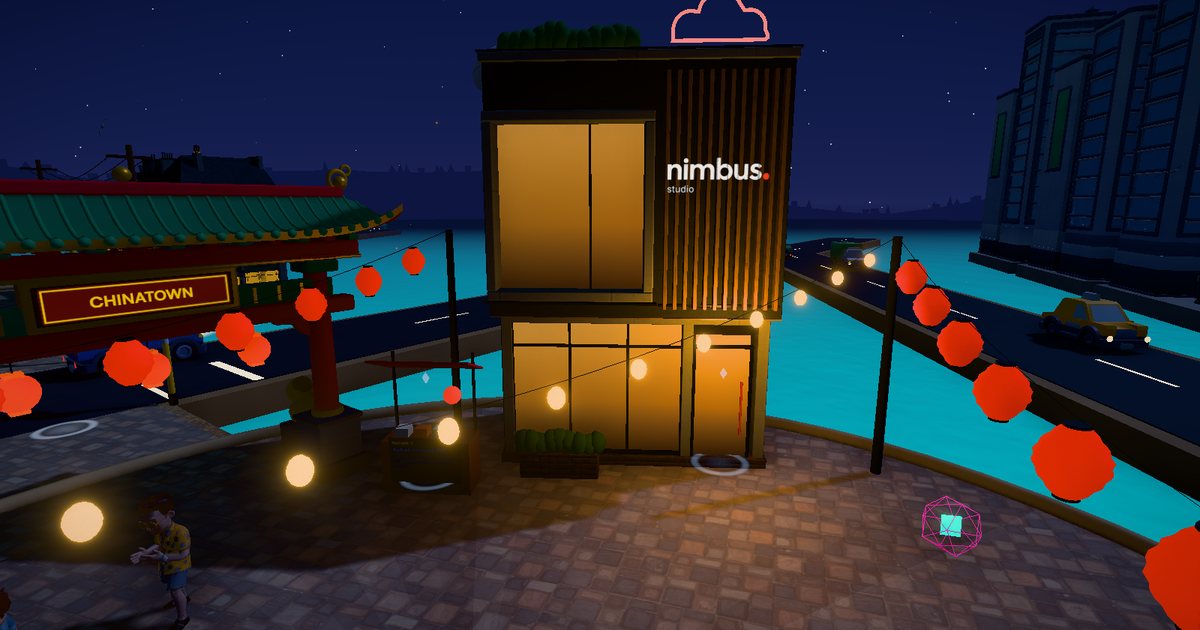
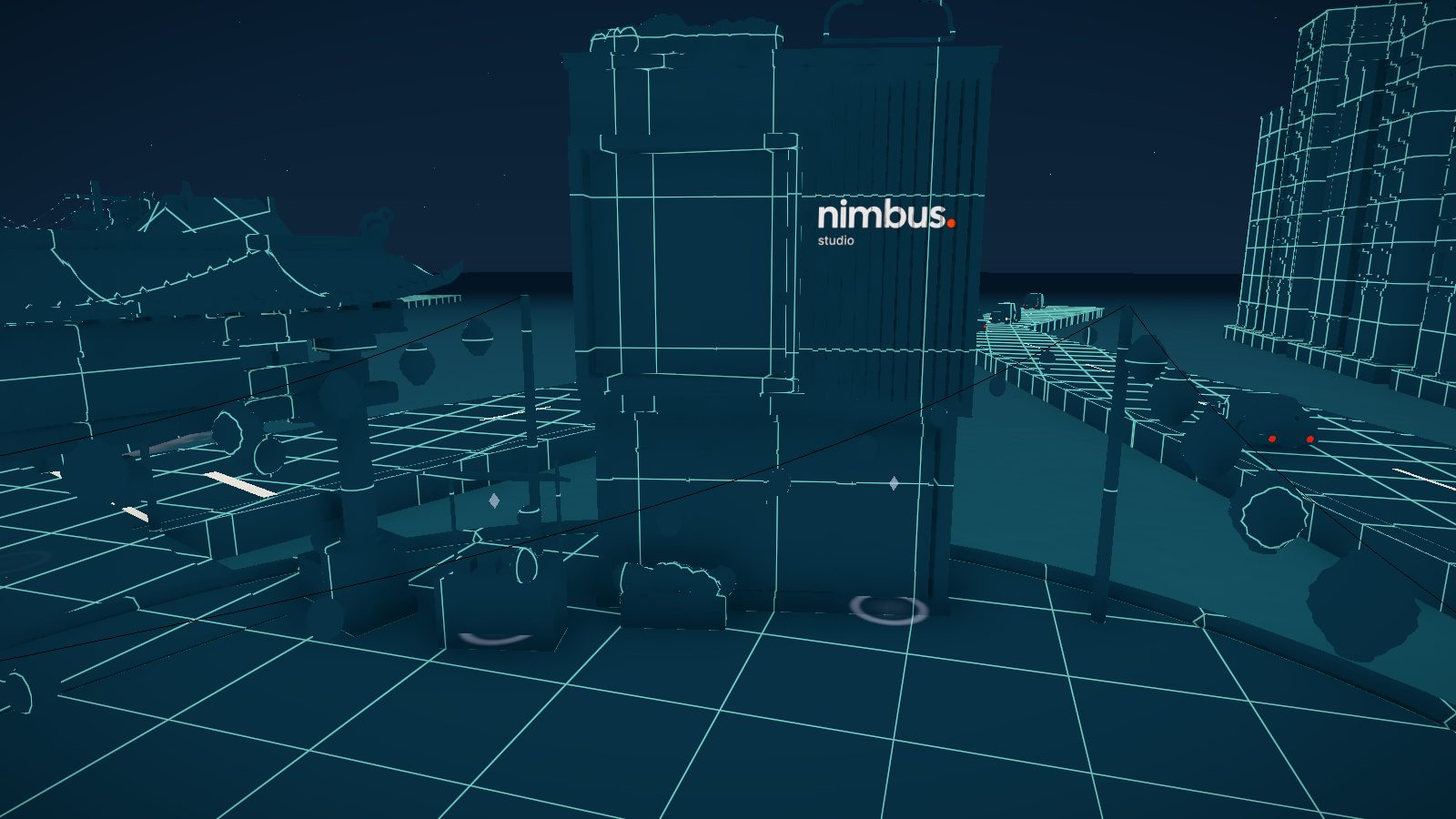
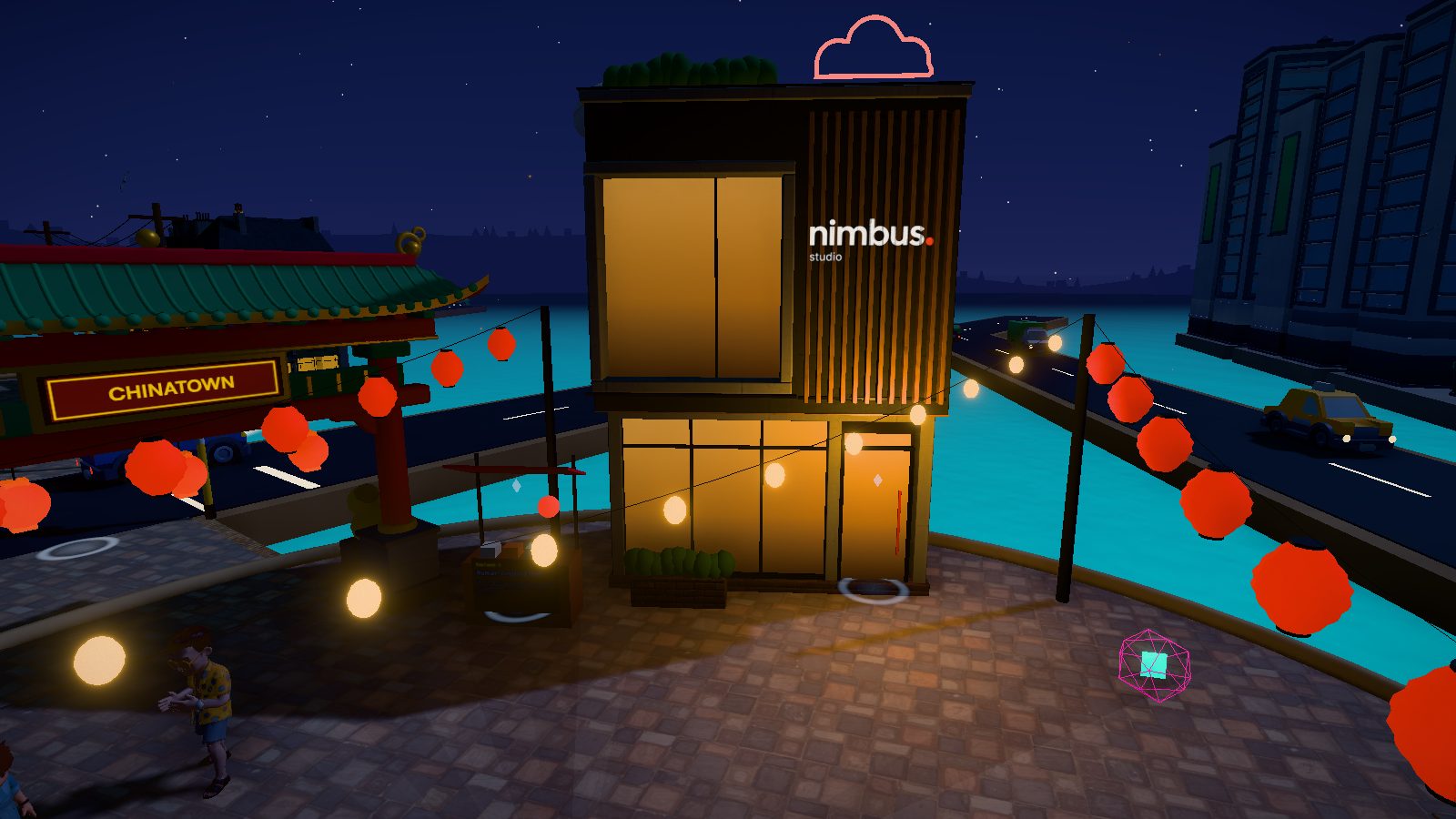
- Design: systems, at Nimbus Studio in Haymarket.
- Automate: AI and automation, at Antidote in the City.
- Build: shipping it, at Puzzle Coffee in The Rocks.
- Get found: maps and launch, ending at the Opera House, where you ring the bell to take the street live.
What I had to fix after playing it
Playing it end to end as a first-timer, the problems were obvious. You could not tell who to talk to, lines scrolled past while you were looking away, and the map pointed at buildings when the story was about people.
Four rules fixed most of it:
- There is always exactly one person to talk to next, and everything points at them: the dots on the ground, the minimap and the card at the top.
- Lines wait for you. Nothing moves on until you press a key.
- Everything said goes in a journal, so nothing is lost.
- You can always skip ahead. Walk straight to the owner and they sum up what the others would have said.
How it is built
It runs in the browser with no download: React Three Fiber and three.js for the 3D, Rapier for physics, and Blender for modelling and preparing every asset. The buildings are real models from Sketchfab and the locals come from Blender Studio’s open films, all credited at the end of the game.
I built it over about seven weeks with Claude Code as my engineering partner. I set the direction, the design and the standard, and checked every change on screen before it shipped.
The next two posts go deeper: how the city got its real buildings, and how I made it run on the kind of work laptop most people will play it on.